Agricultural activities represent one of the major sources of methane emissions, with enteric fermentation from ruminant livestock such as cattle and sheep contributing a significant share. During digestion, microbial communities in the rumen break down organic matter in feed, producing hydrogen and carbon dioxide as intermediate byproducts. These compounds are then converted into methane by methanogenic archaea and released primarily through belching. As a natural part of the digestive process, a single cow can emit hundreds of liters of methane per day. When scaled across industrial livestock farming systems, it results in a substantial cumulative emission footprint.
Why Methane Emission Monitoring is Vital in Livestock Field?
In recent years, methane mitigation has become an increasingly important component of global climate strategies. Initiatives such as the Global Methane Pledge have set clear targets to reduce global methane emissions by more than 30% by 2030. At the same time, regulatory frameworks, including the EU Carbon Border Adjustment Mechanism (CBAM) and the gradual development of greenhouse gas accounting systems worldwide, are accelerating the transition from model-based emission estimation toward measurement-based reporting. Under the context, agricultural carbon accounting including livestock is shifting from traditional emission-factor approaches to robust Measurement, Reporting, and Verification (MRV) systems grounded in real-world data, which require more reliable and accurate methane-monitoring methods.
Beyond regulatory pressure, there is also a strong operational incentive to monitor methane emissions from ruminants. Methane production represents a direct loss of feed energy. Higher methane emissions are often associated with lower feed conversion efficiency. Therefore, methane monitoring provides valuable insights into digestive efficiency, feed formulation effectiveness, and even animal health status, enabling more precise and data-driven livestock management.
Limitations of Conventional Measurement Methods
However, conventional methane measurement methods remain limited in practical deployment. Many current approaches rely on laboratory analysis or intermittent sampling techniques. While these methods can achieve high accuracy, they fail to provide continuous monitoring and cannot capture temporal variations linked to feeding cycles and animal behavior. Single-point measurements also struggle to represent herd-level variability, leading to incomplete or biased datasets. In addition, high equipment costs and complex maintenance requirements make large-scale deployment in commercial farms difficult, leaving a significant gap in scalable monitoring solutions.
Field Challenges in Ruminant Methane Detection
Field applications further highlight several technical challenges. Methane emissions from ruminants are inherently intermittent and highly variable, making single measurements insufficient for accurate representation. Moreover, livestock housing environments often contain interfering gases such as water vapor, carbon dioxide, and ammonia, which place stringent demands on monitoring accuracy and stability. Long-term monitoring systems must also balance accuracy with durability, low maintenance requirements, and operational cost efficiency.
Cubic Methane Emission Monitoring Solution For Livestock Field
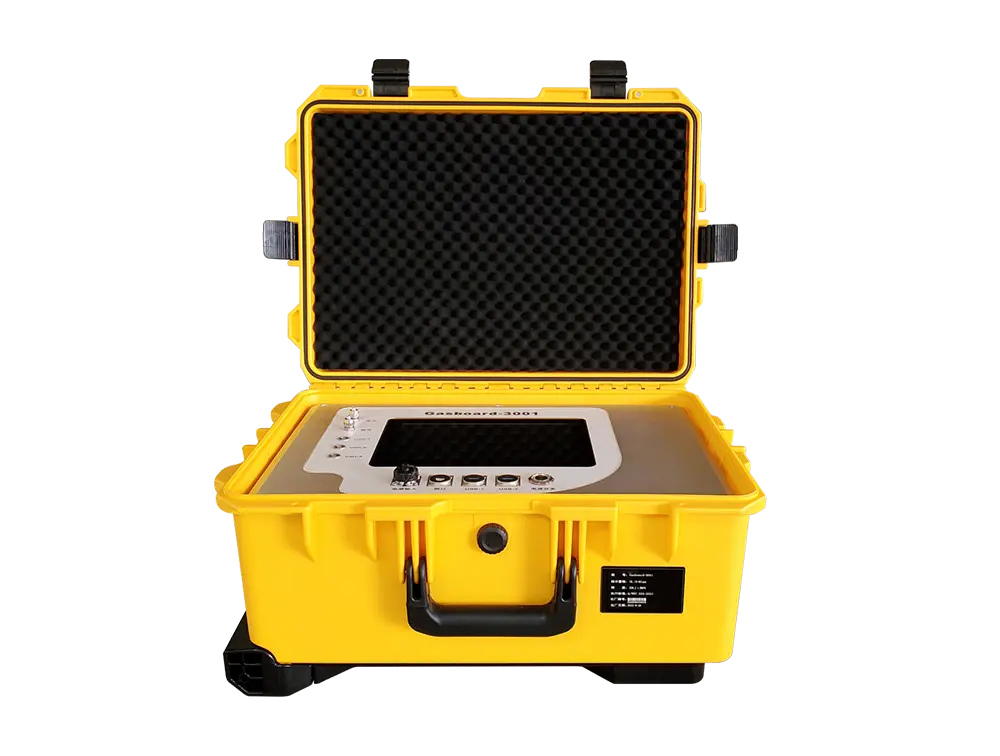
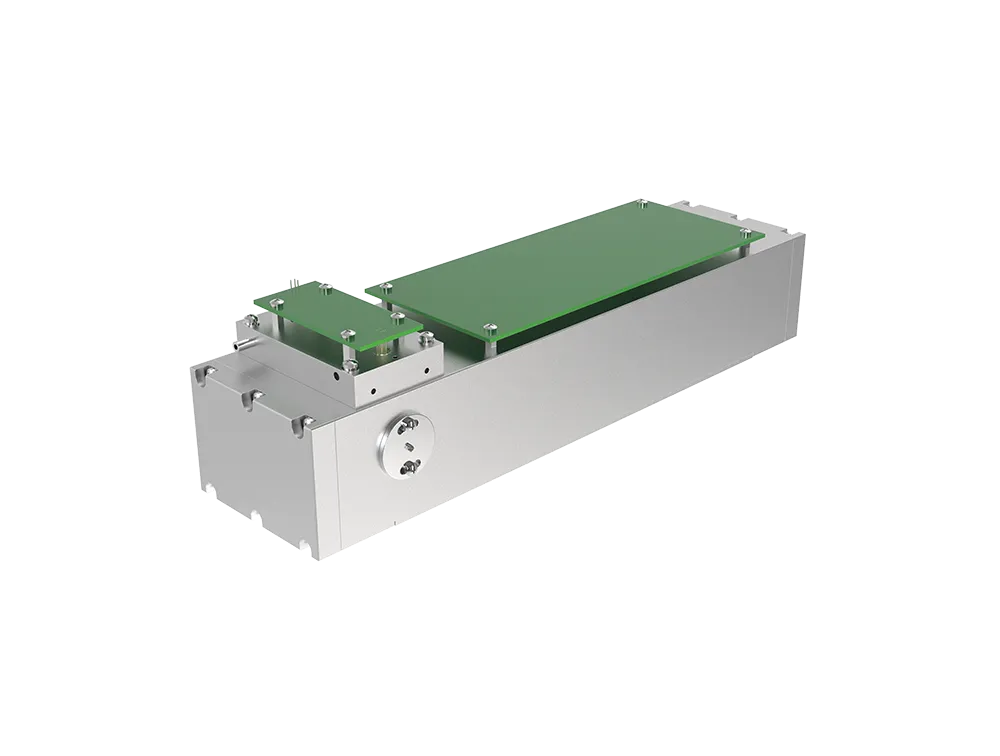
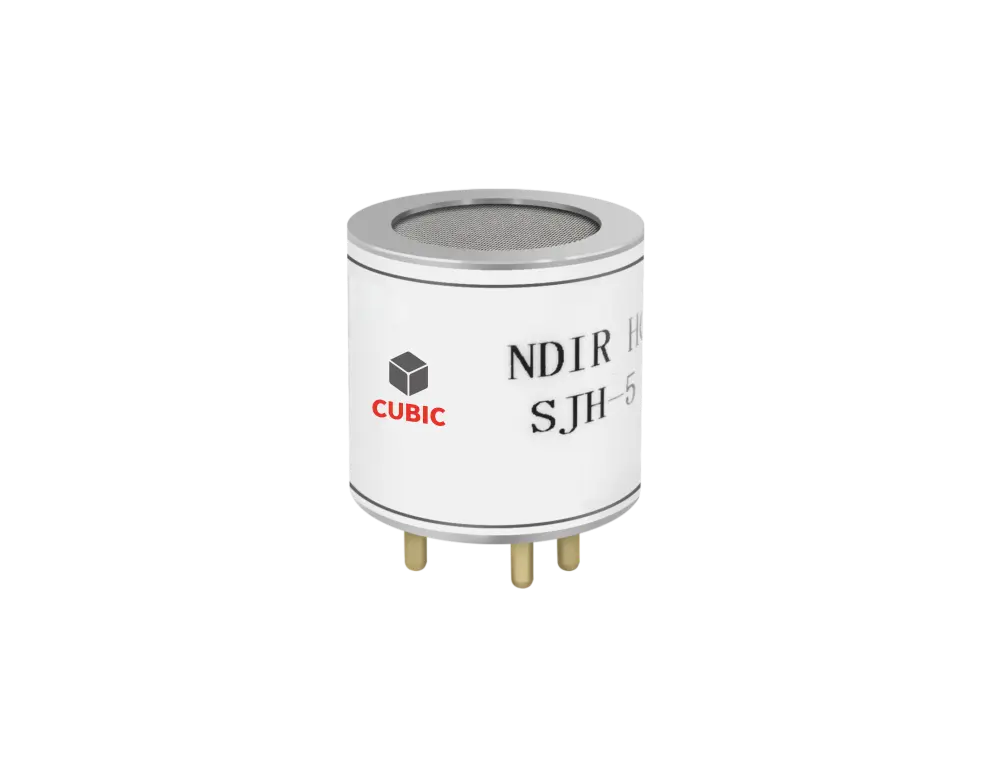
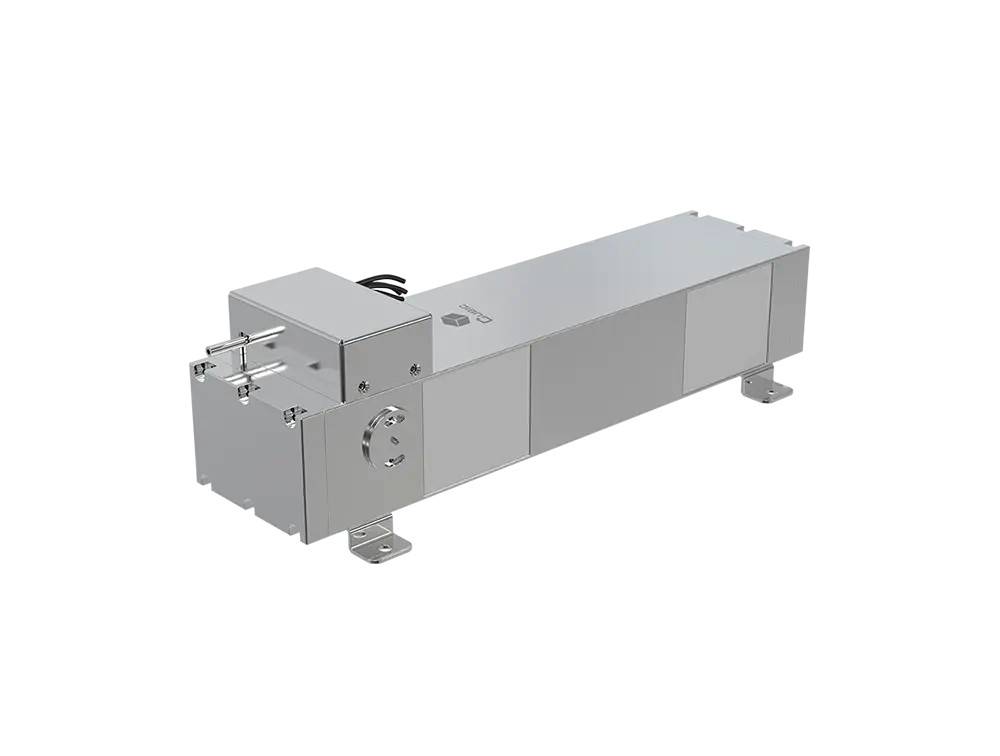
To address these challenges, advanced gas sensing technologies are playing an increasingly important role. As a leading manufacturer of gas sensors and gas analyzers, Cubic has been actively developing high-performance methane detection solutions across multiple application scenarios, including livestock methane emissions monitoring. Leveraging its mature TDLAS (Tunable Diode Laser Absorption Spectroscopy) technology, the company has developed the advanced Gasboard-2520 methane sensor for detecting low-concentration methane variations against complex background conditions. With a high-performance detector and special processing gas chamber, Gasboard-2520 delivers high accuracy of ± 1 ppm + 2% reading with a minimum detection limit of 1ppm and a resolution of 0.1ppm.
The Gasboard-2520 is designed for fast response and operational reliability, featuring a warm-up time of less than 10 seconds. Its performance stability in harsh environments is supported by temperature compensation algorithms and built-in self-diagnostic functions. In addition, the sensor incorporates intelligent power management and is engineered for a long lifetime exceeding 10 years, making it suitable for long-term deployment in demanding field applications.
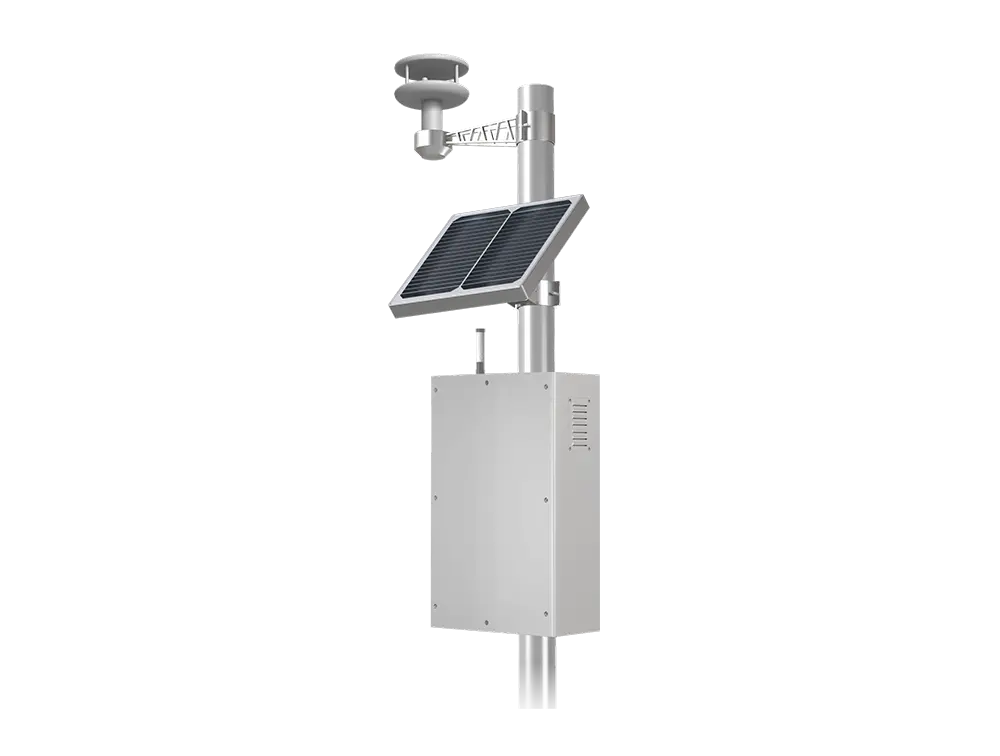
Building on the core sensing capability, Cubic has also developed a Continuous Methane Monitoring System designed for large-scale emissions monitoring. The system integrates high-precision methane sensors with advanced environmental adaptability features, enabling stable operation under variable outdoor conditions such as condensation, dust, pollen, and changing weather patterns. Through intelligent temperature and humidity compensation algorithms, it maintains measurement accuracy in dynamic environments.
In addition, the system integrates meteorological sensing components such as wind speed and wind direction monitoring, enabling more comprehensive data interpretation and emission traceability. Powered by solar energy with built-in energy storage and optimized low-power design, the system supports long-term autonomous operation. Combined with scalable wireless communication modules, it provides a practical and scalable solution for continuous methane monitoring in agricultural field environments.
With superior reliable and credible real-time methane emissions monitoring solutions, Cubic could help operators in livestock sector to reduce methane emissions and improve the reliability and credibility of methane emissions management.
As the agriculture sector transitions toward data-driven carbon management, continuous and accurate methane monitoring is becoming a critical enabler for both regulatory compliance and productivity optimization. Advanced sensing technologies are therefore not only supporting climate goals but also contributing to more efficient and sustainable livestock production systems.
To know more details, please visit: https://www.cubic-methane-detection.com/ or contact us via sales@gassensor.com.cn


 en
en fr
fr de
de es
es it
it tr
tr ru
ru nl
nl id
id