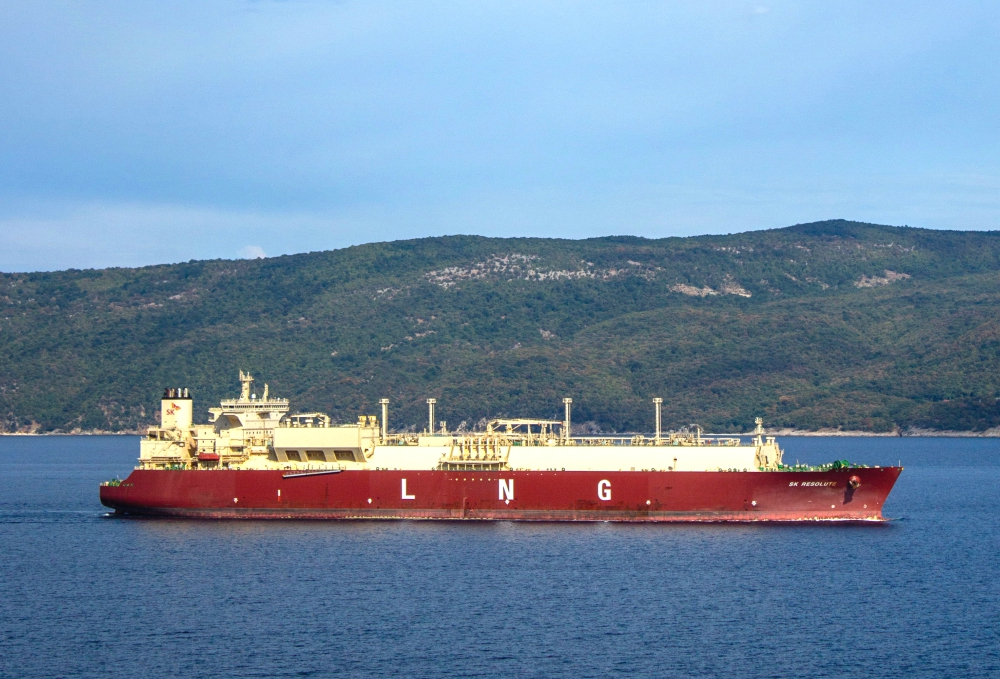
With the global maritime industry’s ongoing transition toward decarbonization, ship fuel systems are undergoing significant structural changes. Liquefied natural gas (LNG), as one of the most widely adopted alternative fuels, is increasingly being integrated into mainstream marine applications, attracting growing attention to safety issues related to methane (CH4) leakage across the industry.
Methane Leakage Poses Safety Risks in Maritime Industry
The fundamental risk in shipboard gas systems lies in the accumulation of flammable gases within confined spaces. Critical areas, including engine rooms, fuel storage tanks, and pipeline ducting spaces, are typically characterized by strong enclosure, dependence on mechanical ventilation, and complex structural layouts. Under such conditions, even minor gas leaks may rapidly accumulate in localized zones, creating potentially hazardous atmospheres that are difficult to detect. If a leak is not identified timely, methane gas concentrations may quickly exceed safe thresholds and form an explosive mixture.
In practical ship operations, methane leakage originates from multiple sources with different characteristics. One major source is continuous micro-leakage in fuel systems, such as aging valve seals, slight pipeline seepage, or fatigue-induced cracks in welded joints. These leaks are typically low in rate but persistent over time, making them difficult to detect while allowing hazardous concentrations to gradually build up in enclosed environments. Another important source is transient leakage during dynamic operating conditions, including fuel switching, engine start-stop cycles, or pressure regulation processes. Such events may result in short-term releases of unburned fuel or pressure-induced gas discharge, characterized by sudden onset, high concentration, and rapid dispersion. In addition, ship structures inherently contain ventilation dead zones, such as equipment rear spaces, overhead compartments, and pipe interlayers. Due to limited air exchange in these areas, methane can become trapped locally, leading to stratification and further increasing the risk of undetected accumulation.
Industrial Regulatory Requirement For Gas Safety Monitoring
From a regulatory standpoint, the International Maritime Organization has long played a central role in establishing global maritime safety standards. The International Convention for the Safety of Life at Sea (SOLAS) explicitly requires gas detection and alarm systems on vessels using low-flashpoint fuels, which is fundamentally intended to prevent the accumulation of flammable gases in enclosed spaces and to mitigate explosion risks through early detection and timely warning.
Cubic Methane Leakage Sensing Solution For Maritime Industry
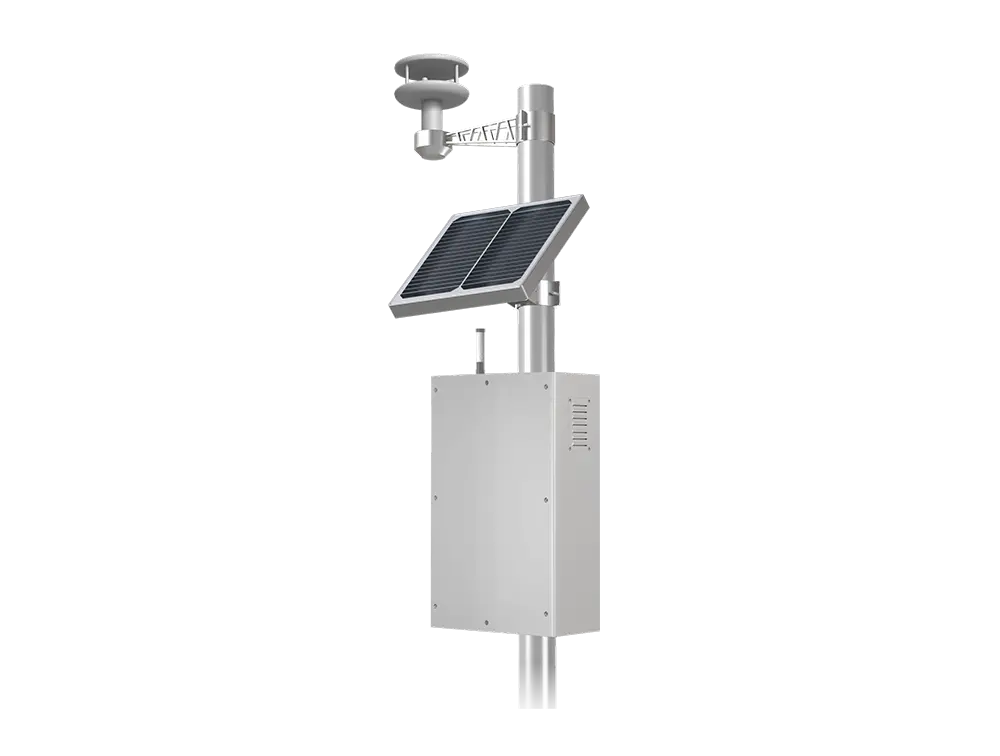
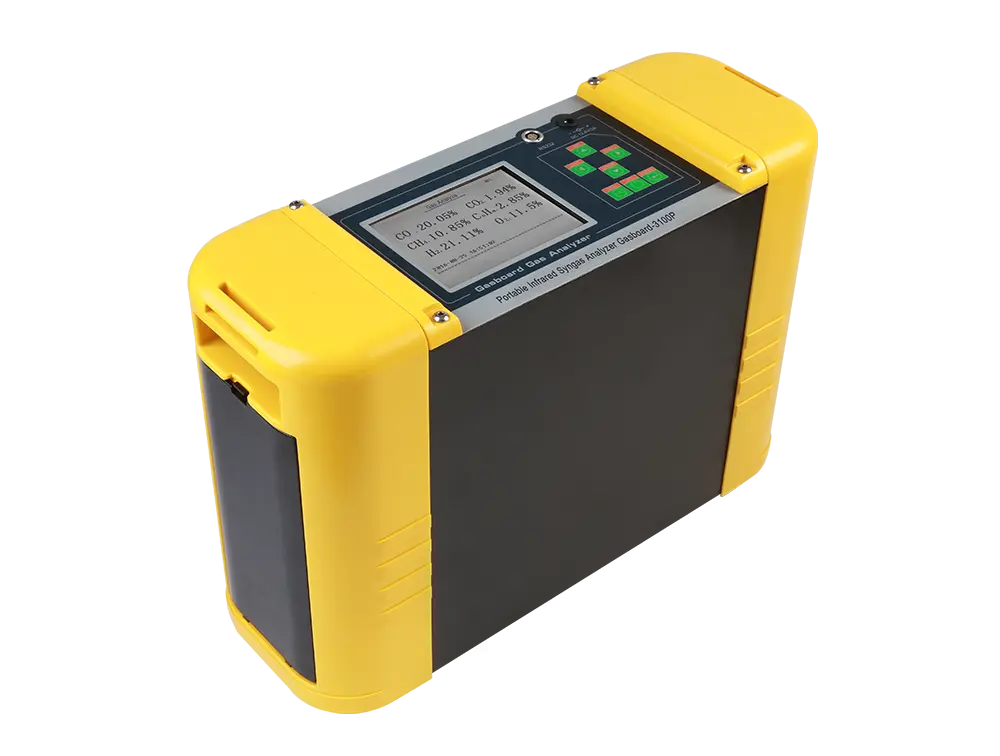
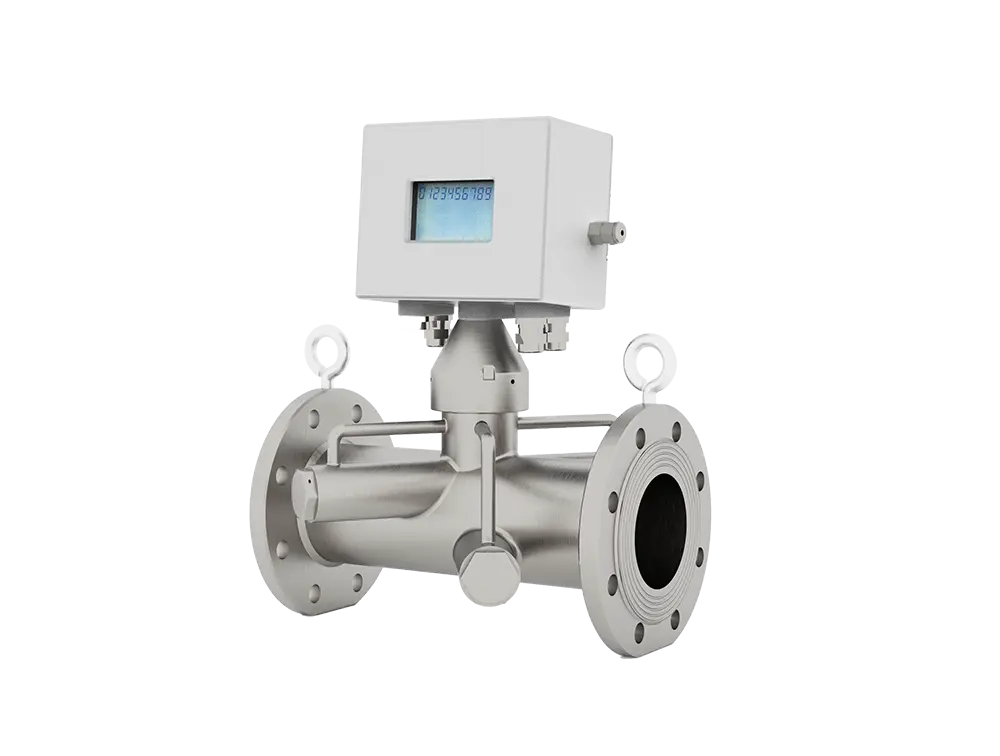
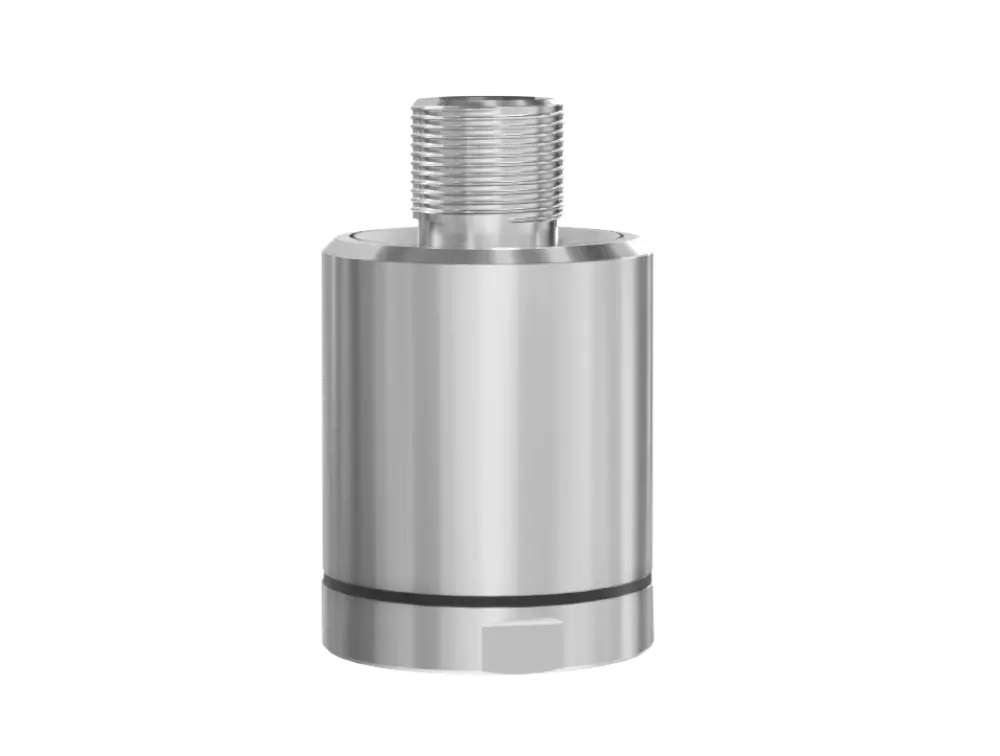
To provide accurate and stable detection for methane leakage, Cubic, as a leading manufacturer of gas sensors and gas analyzers, has leveraged its mature NDIR technology to specially develop standard industrial 4-series miniature NDIR methane sensor SJH series, which can be integrated into a variety of marine combustible gas detectors. Cubic SJH series achieves accurate measurement of methane in the range up to 100% vol. With dual-beam design and Cubic matrix calibration process, the Cubic SJH series effectively reduces the error caused by environmental drift, and improves the overall measurement accuracy.
Moreover, its miniaturized structure can be easily integrated in various types of marine detectors, and can be flexibly deployed even when the internal space of the equipment is extremely compact. Cubic SJH series also supports both voltage and serial port output, which is convenient for integrated communication with the data processing module in the gas detector to achieve real-time data feedback and alarm linkage functions.
In the high humidity, high salt spray, and high vibration environment unique to ships, Cubic SJH series demonstrates excellent industrial reliability. It adopts corrosion-resistant housing and sealing technology, and build-in temperature & humidity compensation algorithm, which can maintain accurate output within the operating temperature range of -40℃ to +70℃ and 0-95%Rh, ensuring the continuous operation of the detection equipment under various extreme working conditions.
Key product features highlight:
NDIR technology
Fast response time T90 < 25 s
Linearization and factory calibration for accurate digital output
Matrix calibration to ensure high accuracy over full temperature
Embedded temperature and humidity compensation
Innovative high humidity alert mechanism
Long lifespan over 10 years
Ex-proof grade Ex ia II C T4 Ga
In addition to its standard product portfolio, Cubic also provides comprehensive OEM/ODM fixed methane gas detection solutions, offering end-to-end capabilities from sensor core development to complete device integration. Backed by independent R&D expertise, Cubic delivers highly customized solutions tailored to different monitoring targets, communication requirements, installation scenarios, and application environments in the methane gas leak detection industry.
Cubic's OEM fixed methane gas detector can be flexibly configured with multiple communication options, including S-BUS bus communication for simplified system integration and expansion, 4–20 mA communication supporting integrated trunk-and-branch wiring for easier installation, as well as IoT connectivity for real-time remote alarm notification and intelligent monitoring. The detector also features built-in linkage control outputs, enabling direct activation of on-site audible and visual alarms, ventilation fans, or shut-off valves to support rapid emergency response. An integrated temperature compensation and monitoring function ensures accurate and reliable methane detection across a wide range of environmental conditions.
Equipped with in-house laboratories, Cubic conducts rigorous testing and validation throughout the development process to ensure compliance with industrial standards and regulatory requirements for modern commercial and industrial buildings.
At the same time, Cubic’s strong and reliable supply chain, combined with continuous technological innovation and lean manufacturing practices, ensures high production efficiency, cost-effectiveness, and strict quality control throughout every stage of manufacturing. Leveraging its expertise in core sensing technologies and the independent development and production of key components, Cubic continues to provide customers with high-quality, reliable, and fully customized OEM/ODM methane gas detection solutions, helping partners accelerate product development and enhance safety across diverse applications.
To know more details, please visit: https://www.cubic-methane-detection.com/ or contact us via sales@gassensor.com.cn


 en
en fr
fr de
de es
es it
it tr
tr ru
ru nl
nl id
id